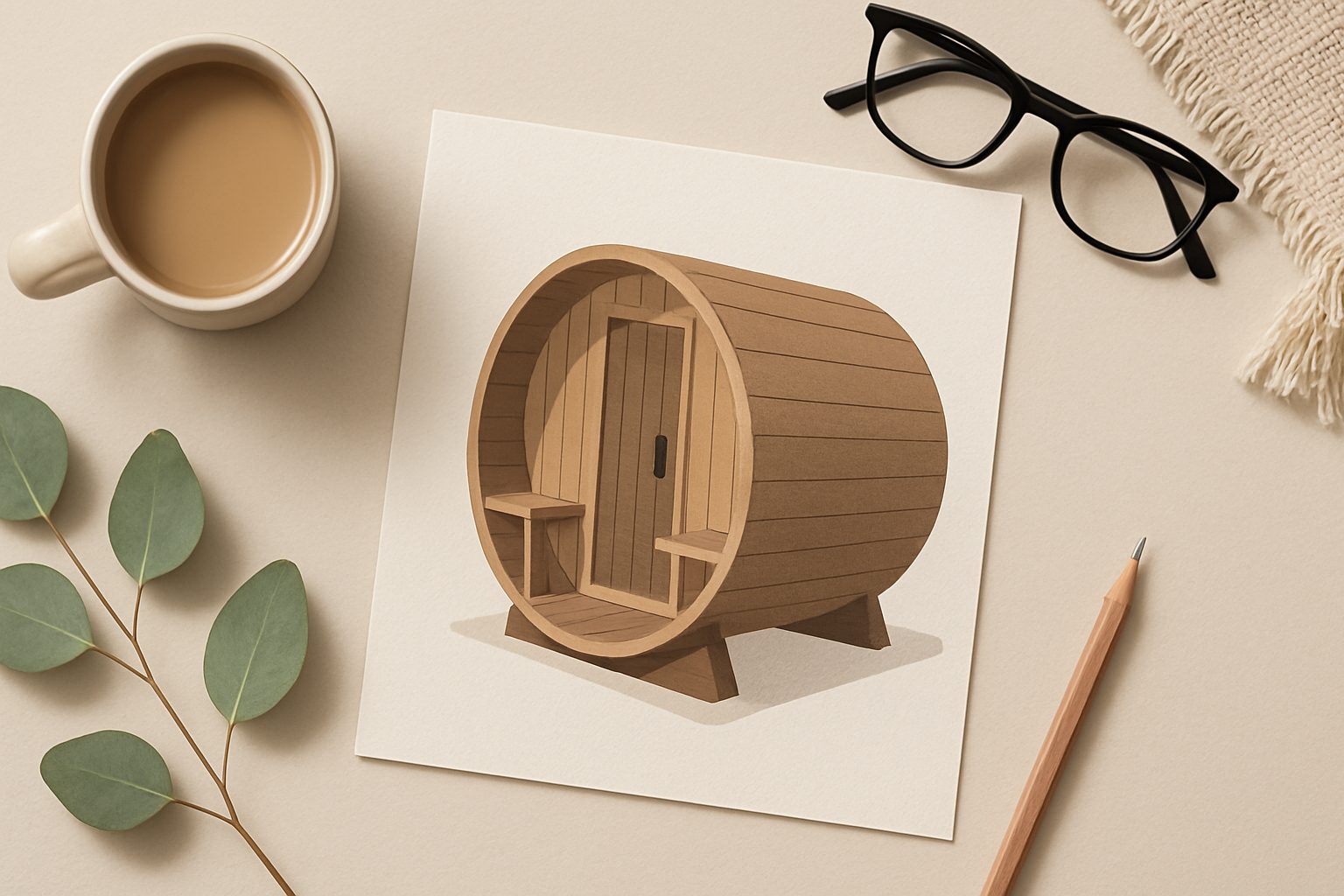
How to Maintain and Treat a Barrel Sauna in the UK: Year-Round Care Guide
Owning a barrel sauna is a commitment—not just to relaxation, but to upkeep. Unlike a hot tub that hides beneath a cover, your sauna's timber barrel is constantly exposed to the British climate: rain, frost, UV damage, and temperature swings that can warp wood and loosen bands. Neglect for even a season or two and you'll find yourself facing expensive repairs. The good news is that seasonal maintenance is straightforward once you understand what wood actually needs in a maritime climate.
Spring: Wake-Up and Inspection
Spring is when damage from winter becomes visible. Start by inspecting the exterior barrel for any obvious cracks, rot, or splintering. Pay particular attention to the bottom third, where water pools. Check all metal bands and hoops—they should be tight enough that you can't flex the timber between them. If bands feel loose, you'll need to tighten them (most modern saunas use bolts rather than traditional wedges, making this a five-minute job with a spanner).
Once winter damp has cleared, sweep out any debris from inside the barrel and check the seals around the stove opening. Spring is also the ideal time to apply a fresh coat of exterior wood treatment if your sauna didn't have one applied in autumn. This isn't cosmetic: UV rays intensify from March onwards in the UK, and treating the wood now prevents it greying and becoming brittle by midsummer.
Summer: UV Protection and Wood Conditioning
The British summer sun—particularly in May and June—delivers surprising UV intensity to any south-facing surface. Your barrel sauna's exterior will age rapidly without protection. If you haven't already, apply a good-quality exterior wood stain or oil rated for decking (avoid heavy paints, which trap moisture). Clear or light-tinted finishes often outlast darker ones, as they don't expand and contract as severely under heat.
Inside the sauna, summer is when you'll actually use it most, so this is maintenance by usage—keep the interior well-ventilated between sessions. Wipe down benches and walls weekly if in regular use; sweat and humidity can encourage mould in poorly ventilated spaces. Check that your ventilation hole (usually in the upper barrel) is clear of spider webs or debris.
Summer is also when minor timber movement becomes apparent. Look for new hairline cracks or places where the barrel seems to have shifted slightly on its cradle. These small movements are normal with seasonal expansion, but document them. If they worsen dramatically by autumn, that might indicate a tightening issue.
Autumn: Stain, Stove, and Band Maintenance
Autumn is the critical maintenance window. Before the weather deteriorates, inspect and clean your sauna stove thoroughly. Remove the stove pipe if accessible and brush out soot and ash buildup—an efficient stove heats faster and costs less to run. Check for any visible rust or deterioration on the stove itself. Rust on the exterior is cosmetic, but rust inside the firebox or around joints can be a fire risk.
This is also the time to reapply exterior wood treatment if you did so in spring—six months in, even treated timber will have weathered noticeably, particularly on the south and west faces. Refresh these areas before heavy autumn rain arrives. Don't skimp on quality here; cheap exterior stains flake within two seasons.
Check all metal bands and hoops again. The combination of spring dampness, summer heat, and autumn drying can loosen fasteners. Tighten any that have shifted. Inspect the feet or cradle your barrel sits on; rust, rot, or shifting support can cause the barrel to settle unevenly, putting stress on bands.
Winter: Protection and Monitoring
Winter brings the harshest conditions: freeze-thaw cycles that can split wood, heavy rain, and sometimes snow loading. If your sauna remains outdoors year-round (rather than under a pergola or shelter), consider a breathable winter cover. Never use airtight plastic—trapped moisture will rot the wood far faster than open winter air.
Check the interior at least monthly if not in use. Look for condensation pooling, which indicates ventilation isn't working properly. If you're still using the sauna in winter, remember that heating it on very cold days (below 0°C) puts extra thermal stress on the timber. Allow a longer pre-heat period and don't drain all heat suddenly—let the sauna cool gradually.
Monitor the stove pipe and chimney if you have one. Frost can crack cast iron pipes, and ice accumulation can block ventilation. Clear snow from around your sauna to prevent drifts against the base, which traps moisture.
Year-Round Essentials
Beyond seasonal tasks, keep a few things consistent. Inspect the interior before each use if regularly heating—check for loose timber, splintering on benches, or anything that might cause injury. Top up water in the bucket or reservoir to avoid unpleasant smells from a dry interior. And keep the surrounding ground clear of leaf litter and plant matter; decomposing organic matter against your base will accelerate rot.
Barrel saunas thrive on consistency, not intensity. A few minutes of attention each season—stain the exterior, tighten bands, clean the stove—means your sauna will age gracefully for a decade or more. Ignore these tasks, and you'll find yourself facing £500-plus repairs within five years.
More options
- Dundalk LeisureCraft Barrel Saunas (Amazon UK)
- Harvia Sauna Heaters and Stoves (Amazon UK)
- Sauna Bucket and Ladle Accessory Sets (Amazon UK)
- Outdoor Sauna Cover and Weather Protection (Amazon UK)
- Barrel Sauna Self-Build Kit (Amazon UK)